When you use a water bottle every day, the material it is made from matters just as much as its size, design or insulation.
Many shoppers see “BPA free” on product labels, but still wonder whether it actually makes the bottle safer or if it is simply another marketing claim.
That uncertainty can make comparing products unnecessarily difficult.
This guide breaks down what a BPA free water bottle is, why it matters and what else you should check before choosing a water bottle for regular use.
What Does BPA Free Mean on a Water Bottle?
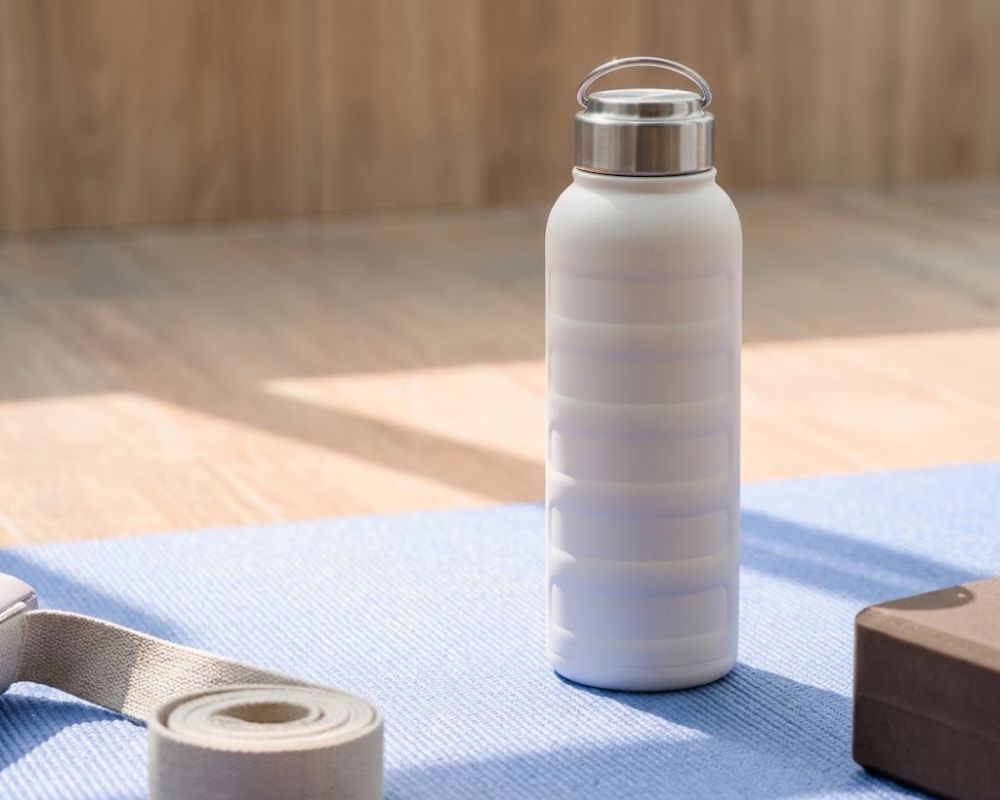
 Image Credit: W&P
BPA is a chemical that has been used in certain plastics and food-contact materials. According to the US Food and Drug Administration, small amounts of BPA can move from some packaging materials into food or drinks.
In simple terms, a BPA free water bottle is designed without BPA in the parts covered by the manufacturer’s claim. When comparing bottles, it is worth checking the full construction, including the lid, straw, drinking spout and other components that may come into contact with your drink.
The FDA maintains that approved uses remain safe at current exposure levels, while the European Food Safety Authority introduced a much lower tolerable daily intake in 2023. The European Union also adopted a ban on BPA in many food-contact materials in 2024.
The practical takeaway is simple: BPA free is a useful feature, but it should not be the only thing you look for.
A good everyday bottle should also use suitable food-contact materials, feel durable and come from a brand that clearly states what its products are made from. These details can help you compare options easily and choose a bottle that suits long-term daily use.
Speak with TYESO for product guidance before making your choice.
Is a BPA-Free Water Bottle Safer to Use?
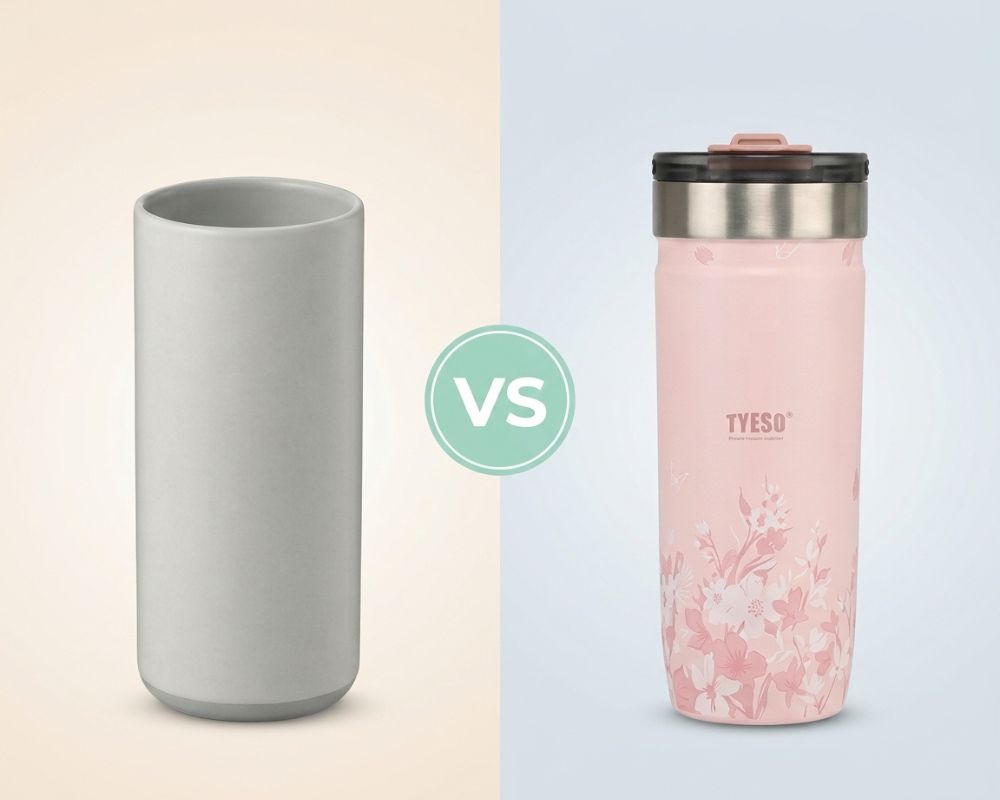
 Image is AI-generated
A BPA-free bottle can be a sensible choice if your goal is to avoid BPA exposure. It does not automatically make every BPA-free product safer than every alternative.
Bottle safety also depends on the material used, its intended temperature range, the quality of its food-contact components, its condition, and how well it is cleaned.
High-quality stainless steel is popular because it is durable, reusable, and suitable for insulated drinkware.
Glass reduces plastic contact but is heavier and easier to break.
BPA-free plastic can be lightweight and practical when it is intended for food and beverage contact and used according to the manufacturer’s instructions.
There is no single perfect material for everyone. The better choice is the one that fits your routine and comes with clear material information.
What Should You Check Before Buying a BPA-Free Water Bottle?
 Image is AI-generated
1. Look Beyond the Front Label
Check the bottle body, lid, straw, mouthpiece, and seals instead of relying only on a “BPA free” badge.
2. Check for BPA and BPS Information
BPA and BPS are different bisphenol compounds. A product that is BPA free is not automatically BPS free.
Selected TYESO bottles and tumblers, including the Solo Bottle and Roam Tumbler, are listed as BPA/BPS-free on their product pages.
3. Match the Bottle to Your Drink
Do not assume every plastic bottle is designed for boiling water, hot coffee, acidic drinks, or carbonated beverages. Follow the product’s stated use and temperature guidance.
4. Inspect It Regularly
Replace parts that are cracked, warped, heavily scratched, or no longer sealing properly. Worn components can also become harder to clean.
Find out why the water bottle is leaking before deciding to replace a new one.
5. Choose Clear Product Specifications
Material details and care instructions make it easier to compare bottles based on real construction instead of one marketing claim.
Contact TYESO for help choosing a BPA-free water bottle for work, commuting, exercise or everyday use.
Is Stainless Steel Better Than BPA-Free Plastic?

Stainless steel offers a strong balance of durability, portability, and temperature control. The metal bottle body does not require BPA-based polycarbonate, and vacuum-insulated designs can keep drinks at a stable temperature for hours.
BPA-free plastic is lighter and can suit sports, school, or situations where weight matters. If you want fewer plastic contact surfaces in the main drinking chamber, stainless steel is a practical option. You should still check the lid and drinking components.
Learn about the differences between stainless steel 304 vs 316 for water bottles and how long do insulated bottles keep drinks hot and cold.
Choose a BPA-Free Bottle That Fits Your Daily Routine

TYESO drinkware is designed around Quality, Life and Health, helping make everyday hydration simpler without compromising on practical features.
Selected TYESO water bottles combine food-grade stainless steel with BPA/BPS-free specifications, giving shoppers clearer material information when choosing drinkware for regular use. Different capacities and designs also make it easier to find an option that suits your bag, desk, car or daily activities.
Explore the TYESO bottle collection to compare available sizes and designs, then check each product page for its specific materials, features and care instructions before choosing the bottle that best fits your routine.
How to Care for a BPA-Free Water Bottle
 Image is AI-generated
A little regular care can help keep your BPA-free water bottle clean, hygienic and in good condition for longer.
-
Wash with warm water and mild soap
-
Clean around the lid, straw, gasket, and threads
-
Let the bottle and lid dry fully before storage
-
Replace worn seals or damaged drinking parts
-
Follow the brand’s instructions for heat, dishwashers, freezers, and microwaves
TYESO recommends hand washing its stainless steel drinkware and drying it with the lid removed.
Learn more tips and drinks on how to clean the water bottle to minimise damages.
Choose a BPA-Free Water Bottle That Fits Your Everyday Routine
A BPA-free label is only one part of choosing a bottle you can use with confidence. Look at the full construction, including the bottle body, lid, straw, durability and care requirements, so your choice works well for regular daily use.
TYESO offers food-grade stainless steel drinkware designed with everyday hydration, dependable insulation and practical use in mind. Explore your options and choose a bottle that matches how you drink, commute, work or travel.
Contact TYESO for help finding a BPA-free water bottle that suits your daily routine.
Frequently Asked Questions About BPA-Free Water Bottle
1. Does BPA free mean plastic free?
No. A BPA-free bottle can still use plastic in the body, lid, straw, or other components.
2. Is stainless steel automatically BPA free?
The stainless steel body itself does not require BPA-based plastic, but plastic lids, straws, and seals should still be checked.
3. Can I put hot water in a BPA-free plastic bottle?
Only if the manufacturer states that the bottle is suitable for that temperature and type of drink.
4. Are TYESO water bottles BPA free?
Selected TYESO bottles and tumblers explicitly list BPA/BPS-free specifications. Check the relevant product page for the model you are considering.