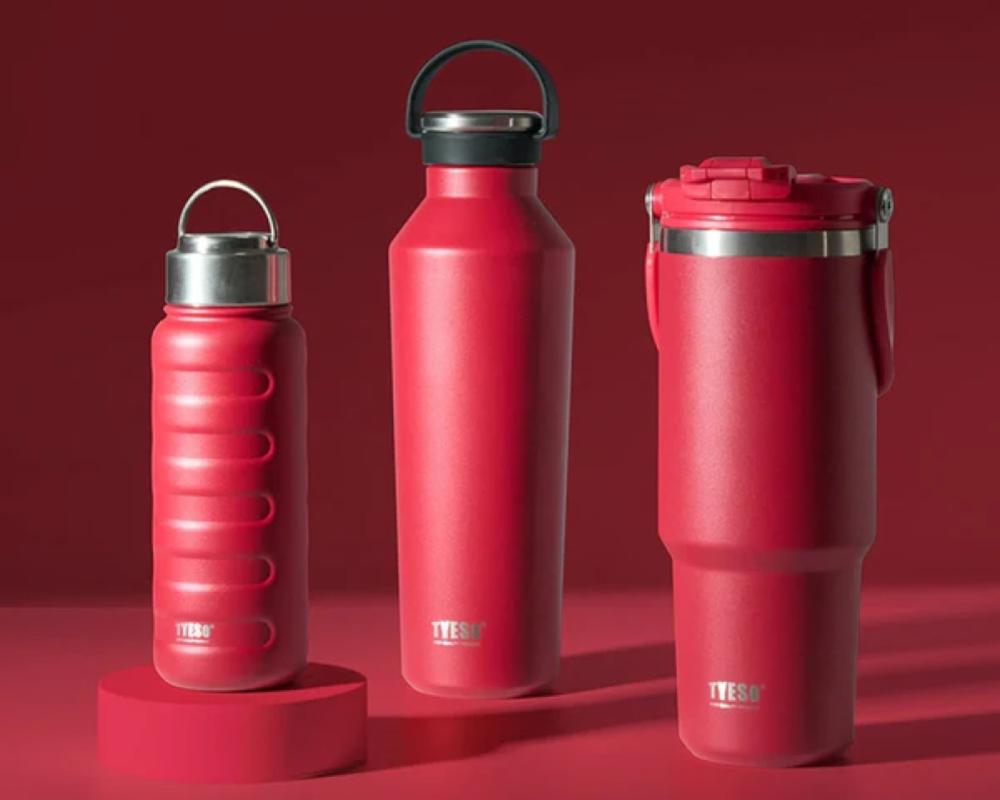
Your water bottle follows you through work, workouts, commutes, and busy days, but a quick rinse is rarely enough to keep it truly clean.
Odours, stains, bacteria, and mould can build up in hidden spots such as the lid, straw, seal, and base. Knowing how to clean water bottle properly helps keep every sip fresh, safe, and pleasant.
Here’s how often to clean your bottle, the right steps to do it, and the signs that show it may be time to replace it.
How Often to Clean Your Water Bottle

Image is AI-generated
Prepare warm water, mild dish soap, and a bottle brush that can reach the base, spout, and other narrow areas.
For deeper cleaning, white vinegar or baking soda helps remove stubborn odours and stains.
A clean drying rack is also useful so the bottle can air dry completely before your next use.
1. Daily Rinse (After Every Use)
A quick rinse goes a long way. After finishing your drink, fill the bottle with warm water, give it a swirl, and empty it. Leave the cap off to let it air dry completely. This 30-second habit stops residue from hardening inside the bottle.
2. Weekly Deep Clean
Once a week, give your bottle a thorough clean to tackle any build-up you cannot see.
1. Disassemble everything. Remove the lid, straw, seal, and any removable parts.
2. Wash with warm soapy water. Use a bottle brush to scrub the inside, paying close attention to the base and any grooves in the lid.
3. Clean the lid and seal separately. These are the spots where bacteria love to hide. Soak them in a solution of one part white vinegar to one part water for 15 minutes.
4. Rinse thoroughly. Soap residue can affect the taste of your water, so rinse until the water runs clear.
5. Air dry upside down. Never seal a damp bottle. Moisture trapped inside is the main cause of mould and musty smells.
Contact TYESO Malaysia today to discover water bottles designed for fresh, clean hydration every day.
3. Monthly Deep Deodorising
If your bottle starts to smell even after washing, it is time for a reset.
Add one teaspoon of baking soda and fill with warm water. Let it sit overnight, then rinse clean. For stubborn stains, a diluted white vinegar soak works equally well.
Tip: TYESO vacuum insulated bottles feature a food-safe stainless steel interior that resists odour absorption and is easy to clean thoroughly. No plastic lining means no hidden residue.
Learn more about the stainless steel water bottle benefits that minimise efforts in washing them.
When to Replace Your Water Bottle

Image is AI-generated
Even with the best care routine, every bottle has an expiry. Knowing when to replace your water bottle can save you from unknowingly drinking from a compromised one.
-
Persistent smell: If your bottle still smells after a thorough clean, the material has absorbed bacteria that cannot be removed.
-
Visible cracks or chips: Even hairline cracks harbour bacteria and can worsen over time.
-
Damaged or worn seal: A loose or cracked seal means the lid no longer closes properly, which affects both hygiene and insulation performance.
-
Deep staining: Surface stains from coffee or tea that will not wash out signal material degradation.
-
Dents affecting the vacuum layer: For insulated bottles, significant dents can compromise the vacuum seal, meaning your bottle no longer keeps drinks at the right temperature.
-
It is a low-quality plastic bottle over 2 years old: Older plastic can leach chemicals over time, particularly after repeated heat exposure or dishwasher cycles.
|
Bottle Type |
Cleaning Frequency |
Average Lifespan |
Replace When |
|
Stainless steel (e.g. TYESO) |
Weekly deep clean |
5+ years |
Dents affect seal or interior coating chips |
|
BPA-free plastic |
Daily rinse + weekly soak |
1-2 years |
Stains, odour, cracks, or discolouration |
|
Glass |
Daily wash |
2-3 years |
Any chip or crack |
|
Aluminium |
Weekly rinse |
2-4 years |
Dents, lining damage, or persistent odour |
Stainless steel bottles are designed with longevity in mind. With proper care, a quality insulated bottle can last five years or more, which makes it a far better investment than cycling through lower-cost alternatives every season.
Why Water Bottles at TYESO Are Easier to Keep Hygienic

TYESO Malaysia water bottles are designed to support cleaner everyday use through food-grade stainless steel, a smooth interior, and practical lid structures that are easier to wash properly.
The material also helps reduce odour and stain build-up compared to lower-grade plastic bottles.
For daily hydration, that means fewer hidden areas for residue to sit, easier brushing after use, and a fresher drinking experience over time.
TYESO’s focus on quality, life, and health makes hygiene part of the bottle experience.
Keep Your Bottle Clean, Keep Your Hydration Healthy
A clean bottle helps every sip feel fresher, safer, and better for daily use. Daily rinsing, weekly deep cleaning, and replacing worn bottles early can make your hydration routine easier to maintain.
Explore TYESO Malaysia’s vacuum-insulated water bottles are easier to clean and built for everyday hygiene.
Contact TYESO Malaysia today to find the right insulated water bottle for your daily routine.
Frequently Asked Questions About Cleaning and Replacing Water Bottles
1. Can I put a TYESO water bottle in the dishwasher?
Hand washing is recommended to protect the bottle’s insulation, exterior finish, and long-term performance.
2. How do I remove mould from a TYESO water bottle?
Soak the bottle with warm water and white vinegar, scrub the lid, seal, and interior properly, then replace any part that still shows mould after cleaning.
3. When should I replace my TYESO water bottle?
Replace it when the lid no longer seals well, the bottle has deep dents, odours remain after deep cleaning, or the interior shows visible damage.
4. Is it safe to use a cracked or damaged water bottle?
No, cracks and damaged seals can trap bacteria, so it is better to replace the bottle for cleaner daily hydration.